

Odoo vs Connektica
Which MES is right for Aerospace manufacturing & AIT?
If you are evaluating Odoo vs Connektica, you are not deciding between two generic MES tools. You are deciding how to run aerospace production when AIT and test evidence are on the critical path.
Odoo is a full ERP suite with a native Manufacturing app, but can it handle strict aerospace requirements?
When your manufacturing flow is simple, Odoo works
Odoo covers the manufacturing basics. If your manufacturing process is straightforward, Odoo can be a solid backbone:
BOMs, inventory, work orders, and basic shop floor execution.
Aerospace AIT breaks that model because the constraints are not “work order steps”. They are test benches, calibration status, operator competencies, test scripts, telemetry, and audit evidence. That is where most Odoo-centered stacks end up with two worlds. Odoo for orders. LabVIEW or TestStand for the real work. Excel and shared drives to bridge the gap.
Connektica is built for that gap. Keep Odoo as ERP. Add Connektica as the manufacturing execution and test system of record, so results, evidence, and traceability are produced during execution, not reconstructed at the end.

Where and when do Odoo stacks break?
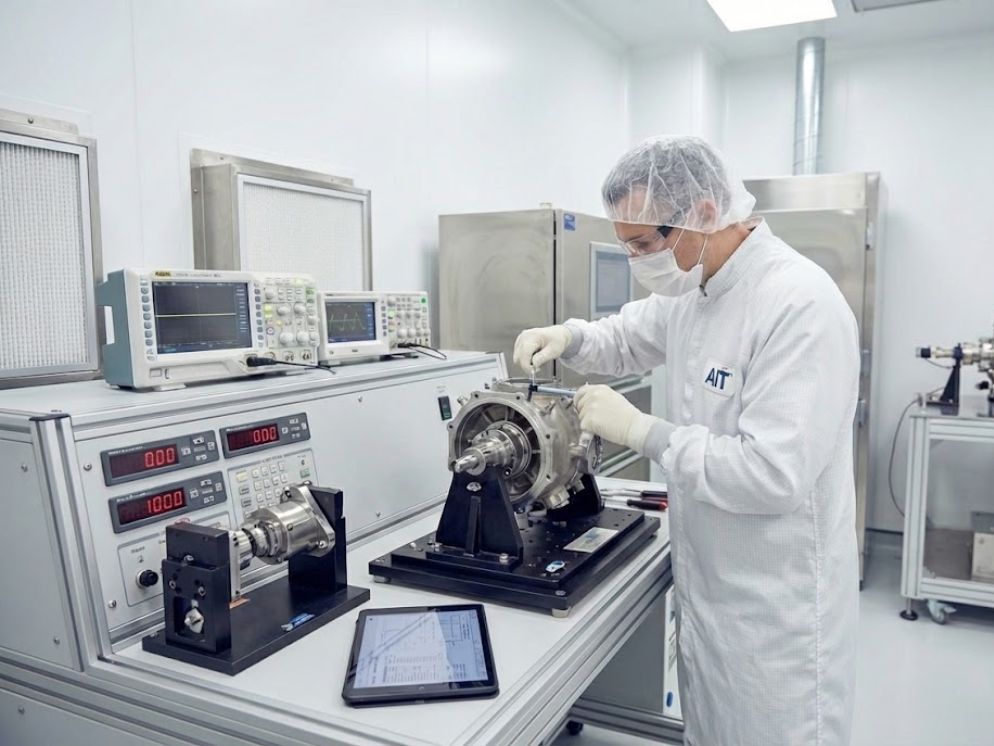
Test orchestration in an Odoo stack creates a “manual data entry tax”.
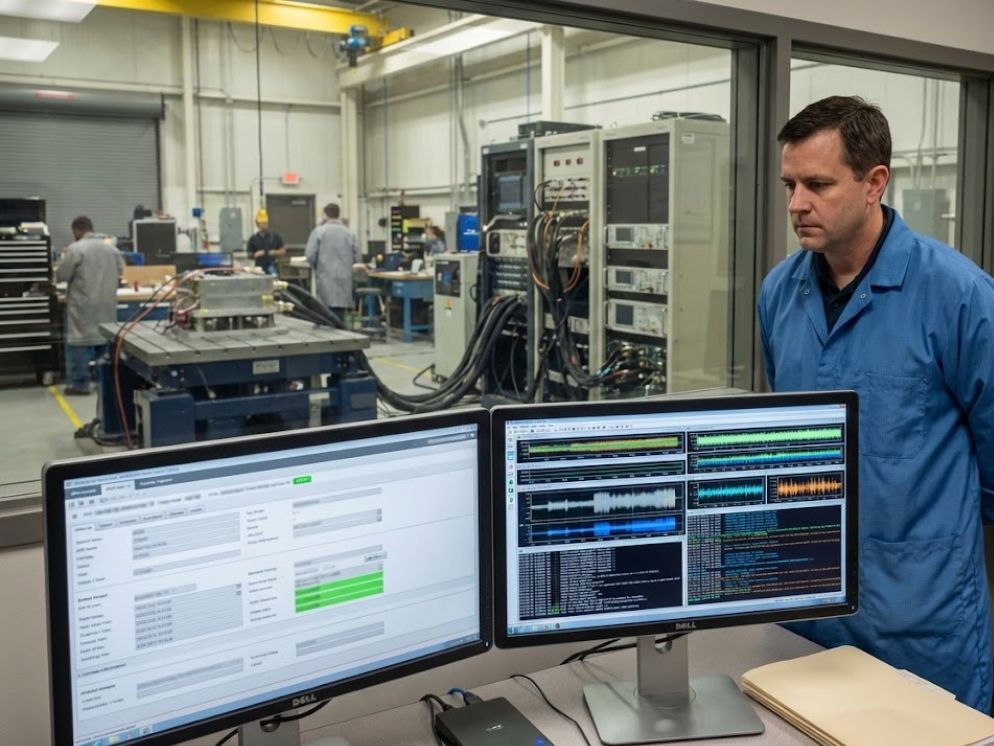
In a standard Odoo setup, the ERP sees the result of a test, not the test itself. With an IoT Box, a measure check can pull a single reading from a caliper or a scale. It does not orchestrate test sequences, control bench instruments, or run version-controlled Python or LabVIEW scripts. So engineers run their sequences in LabVIEW, TestStand, or Python, copy the data into Excel to evaluate it, then retype results into Odoo or attach static PDFs.
This doubles the work, introduces errors, and breaks the digital thread. If an issue arises, you spend hours searching through Excel files, CSVs, PDFs, and folders.
Connektica provides native bench orchestration and eliminates the “Data Entry Tax” by acting as the direct bridge between your physical instruments and your digital record.
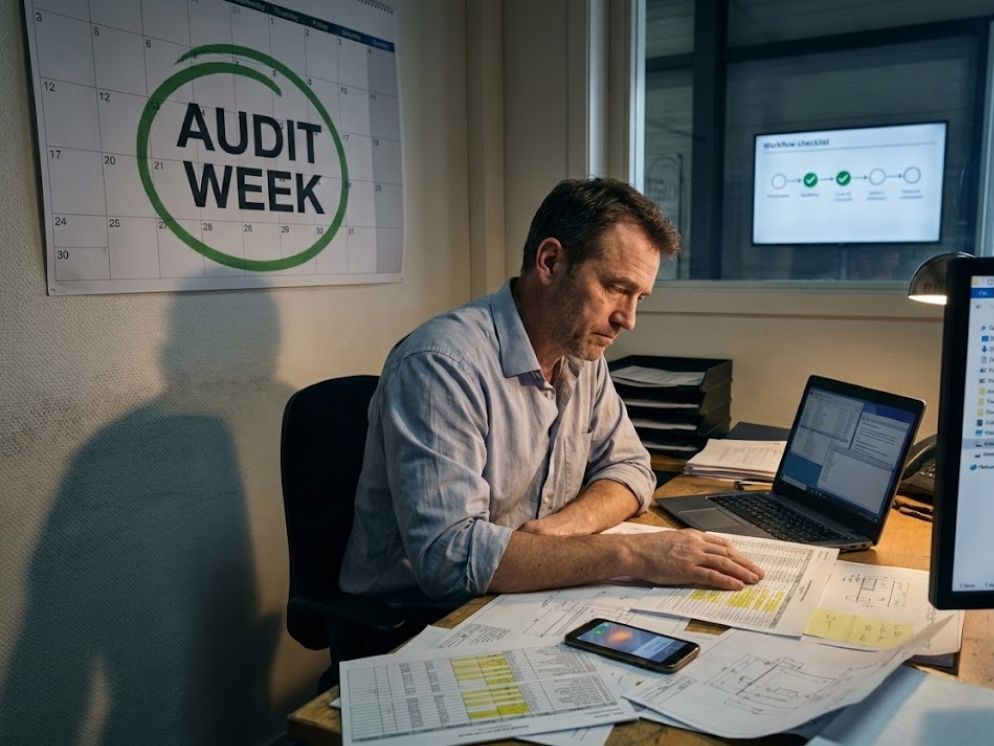
Compliance and traceability in Odoo turn into “audit week”
In an Odoo-centered stack, compliance is hard because evidence is not created where execution happens.
It is reconstructed afterward.
You merge files, copy and paste data, chase screenshots, and pull artifacts from multiple places because as-built and test data are separated from the procedure trail. The result is audit risk and extra time spent resolving nonconformities.
Connektica treats traceability as an output of execution, not a reporting project. It links work instructions, e-sign approvals, test sequences, results, attachments, and nonconformities into one digital thread. EIDP generation becomes an export from structured data captured during the run.
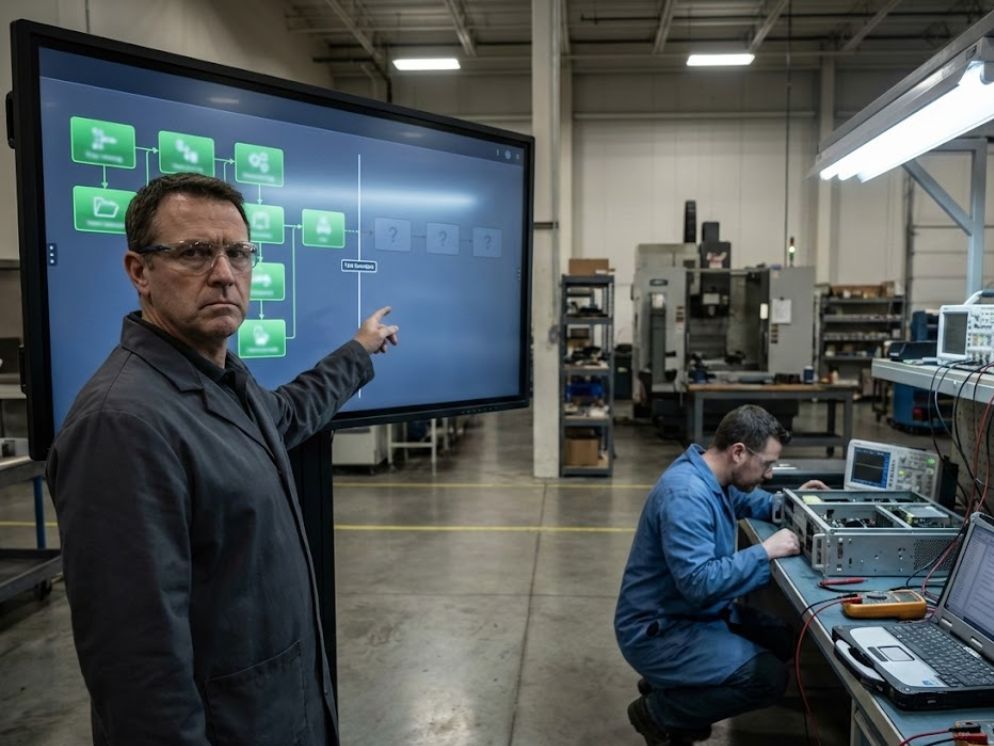
Production visibility disappears when a unit enters test
Once a unit enters test, your WIP tracking splits. Odoo shows the work order as in progress, but the test execution lives elsewhere.
This creates a “latency of information.” Production Directors discover delays or test anomalies hours or days too late because the progress lives in a local lab file, not the central system.
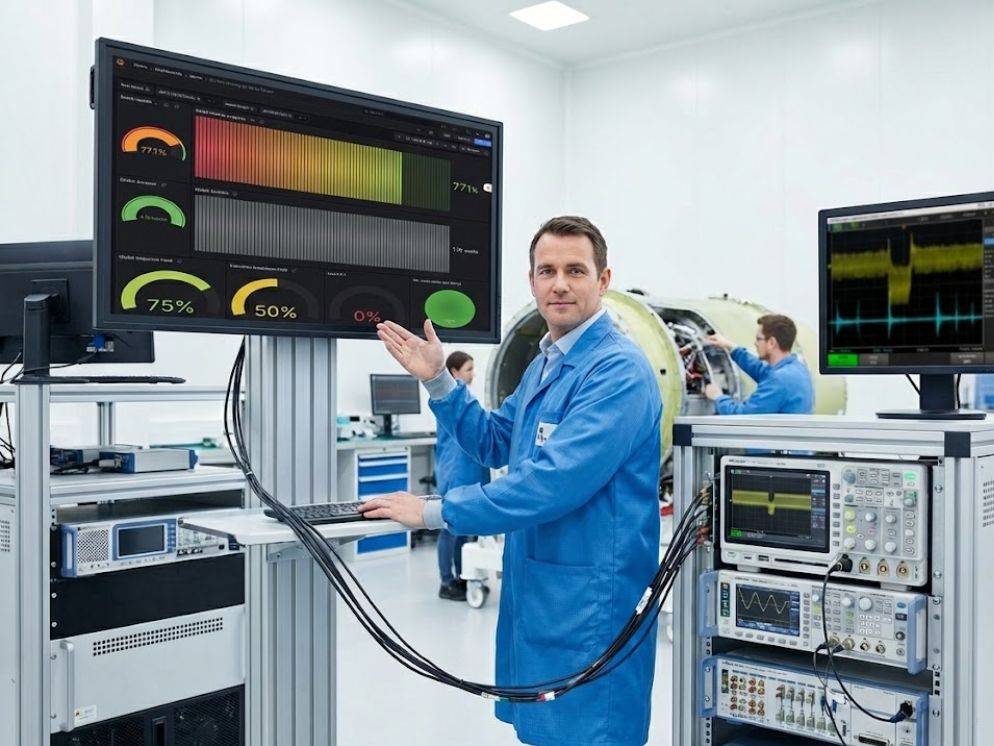
Connektica provides unified WIP visibility that bridges assembly/integration and testing. Connektica streams live progress bars and status updates directly from the bench into your production dashboard.
Quality in Odoo records values, not engineering evidence
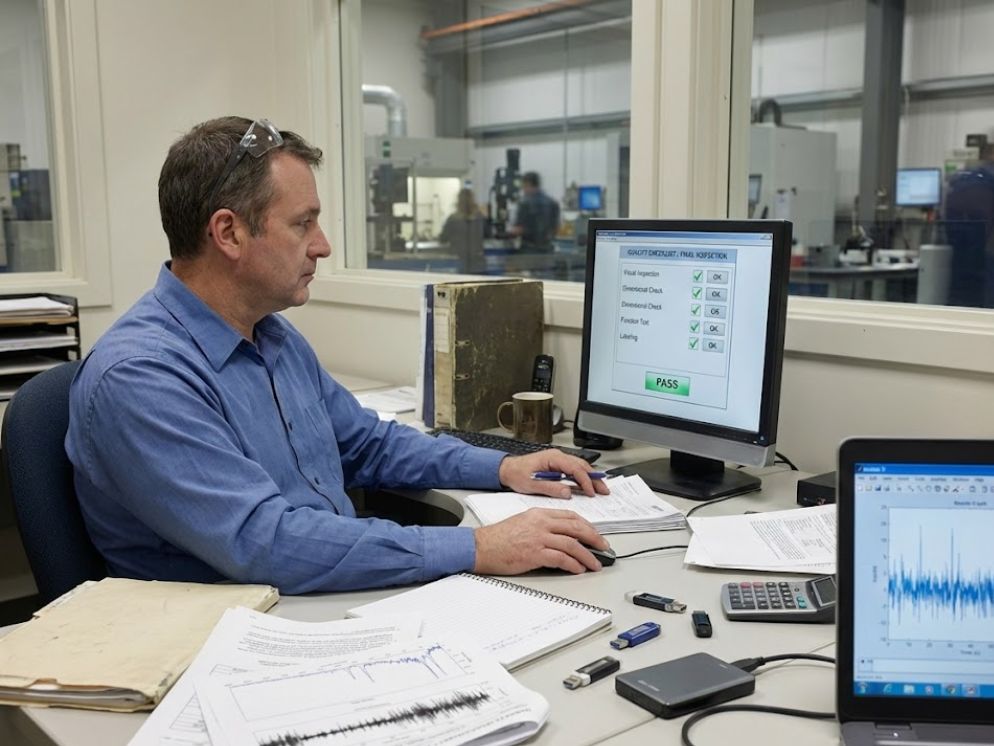
Odoo 19’s quality module goes beyond Pass/Fail. Measure checks compare a value against a tolerance, and spreadsheet, worksheet, and photo checks add context. But a measure check evaluates one scalar value at a time. For aerospace AIT, a single in-tolerance number is rarely the evidence an auditor asks for.
Because Odoo does not natively store or evaluate high-fidelity data like S-parameters, spectral curves, or vibration waveforms as structured data, they end up as attachments, and you end up with “Shadow Quality”.
Connektica treats quality evidence as first-class data. It captures measurements directly from the bench, applies automated evaluation rules, enforces calibration and competency gates, and keeps curves and results linked to the exact test sequence and revision. So quality is not a single number. It is an auditable, reusable dataset.
Odoo’s transactional model collides with AIT realities
Odoo is built to manage transactional ERP data. Work orders, stock moves, invoices, and discrete records. That model breaks down when AIT becomes the center of gravity.
AIT generates high-volume, high-frequency data. If you try to push all of that into an ERP record, you either bloat the database or you give up and keep the real data somewhere else.
Connektica stores measurements, time series, and events in a data model built to be queried, plotted, and exported to your analytics tools. For defense programs, it covers what IT reviews check: ISO 27001 certification, access control by role, project, and site, data-segregated environments, an edge component to connect on-premise benches, and deployment options aligned with data sovereignty and export-control constraints. Your ERP stays lean. Your test data stays structured.
Technical considerations
If you are comparing Odoo vs Connektica, the real question is rarely “which UI do we prefer”. What stays in Odoo, what moves to the execution layer, and how cleanly the two systems integrate.
Integration boundaries.
Keep Odoo as the ERP backbone for financial and supply chain data: BOM, inventory, purchasing, work orders, costing. Put execution, test orchestration, evidence capture, and reporting in Connektica. The goal is not duplication. It is a clear separation of concerns. Odoo manages transactions. Connektica manages what actually happens on the floor and on the bench.
To bridge the two, the integration runs through APIs, or a packaged connector. Connektica exposes: a CKA Connektor module for Odoo, a REST APIs and a Python SDK. Work orders flow from Odoo to Connektica. Once the campaign is closed, Connektica pushes the completed status and a link to the finalized EIDP back to Odoo. On Odoo Online, external API access requires a Custom plan.
Implementation path.
Start with the workflow that hurts the most. Usually a test campaign where you currently copy paste results, manage scripts manually, and spend days compiling evidence. Pilot that end-to-end. Then expand to adjacent steps once the digital thread is stable.
Data model and evidence model.
Decide upfront what must be structured, not attached. Test results, measurement series, curves, pass or fail criteria, sequence version, instrument configuration, calibration status, operator sign-offs. If those remain PDFs and free-text notes, you will end up back in “audit week”.
When Odoo is the Better Choice
Connektica is not a replacement for ERP. It is a Manufacturing Execution System (MES) designed to handle heavy testing and compliance requirements for high complexity industries like Aerospace & Defense.
Odoo is the better fit if:
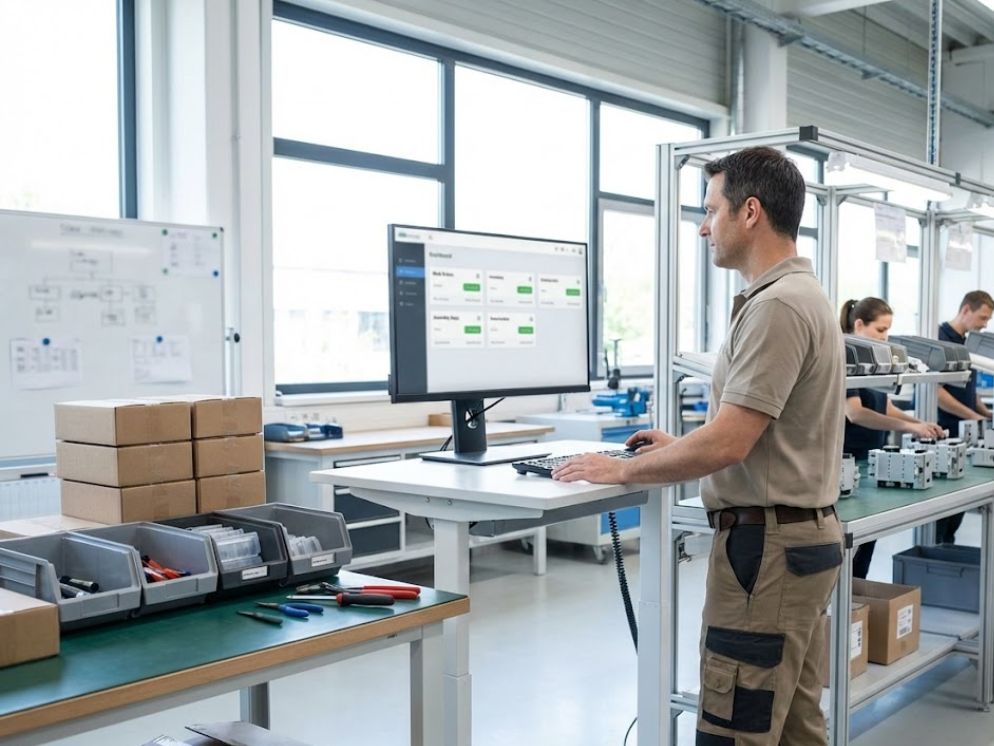
- Your manufacturing is low-complexity: If you are producing with simple kitting and no sophisticated testing, Odoo is faster to deploy and more cost-effective.
- Your compliance burden is light: If single-value checks against a tolerance are enough for your customers and you don’t need to generate complex EIDPs or store high-frequency telemetry, the depth of Connektica is likely overkill.
- You require a single, “all-in-one” interface: If having Finance and Supply Chain in the same tool as your production is your priority, and you can live with manual data entry for occasional tests, then Odoo can work for a few months/years.
Connektica is the better choice if
- Your benches and scripts are on the critical path. Manual copy paste and script drift are a recurring source of delays or errors.
- You need audit-ready traceability from procedure to execution to evidence, without rebuilding it at the end.
- Your quality evidence is engineering-grade data. Curves, measurements, evaluation rules, and calibration gates.
- You need production visibility through test phases, not a status proxy.
If you are unsure, the fastest way to decide is to map one representative test campaign. Inputs, sequence steps, evidence required, and who touches the data. If that map includes Excel, PDFs, and shared drives, you are already paying for the gap.
Ready to Close the Gap in your Manufacturing and AIT process?